Compare Local Contractors for Interior Wall Framing Projects
Compare local contractors for interior wall framing to define scope, verify experience, and set clear expectations to ensure a successful project.
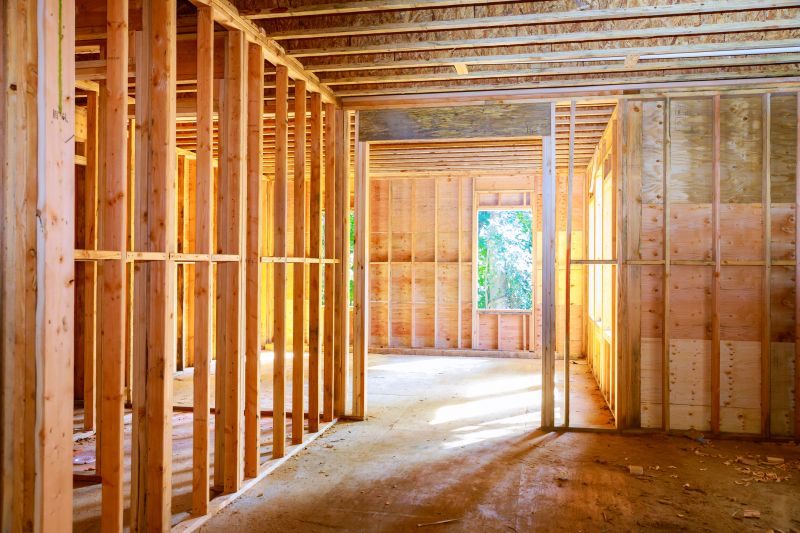
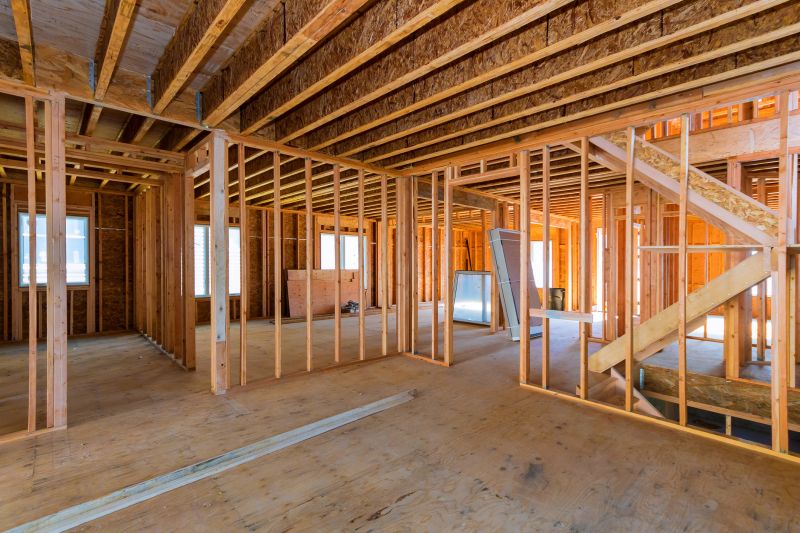
Interior wall framing is a fundamental aspect of constructing or renovating interior spaces. This work typically involves building the structural framework that supports interior walls, including installing studs, headers, and other framing components. Proper framing ensures that walls are stable, level, and capable of supporting finishes like drywall or paneling. Contractors specializing in interior wall framing often work closely with architects and general contractors to ensure that the framing aligns with the overall design and structural requirements of a property.
Defining the scope of interior wall framing work is essential for setting clear expectations and avoiding misunderstandings. A detailed scope might specify the number of walls to be framed, the types of materials to be used, and any special considerations such as openings for doors or windows. Clarifying these details in writing helps property owners and contractors stay aligned on project requirements, reduces the risk of scope creep, and provides a basis for evaluating whether a contractor’s expertise matches the specific needs of the project.
When comparing local contractors for interior wall framing, property owners should consider the experience and track record of each service provider. It’s practical to verify how familiar contractors are with similar projects and whether they have the capacity to handle the scope of work required. Gathering references or reviewing portfolios can offer insight into their workmanship. Additionally, ensuring that scope details are documented in writing and that the contractor understands and agrees to those specifications can help establish a clear working relationship. This approach supports making an informed choice among qualified service providers in the area.
Compare local contractors by outlining your project priorities, verifying experience, and setting clear expectations in writing.
- Define Project Scope - Clearly outline the specific framing work needed to ensure all parties understand the expectations.
- Verify Experience - Check the contractors’ previous work and expertise in interior wall framing projects.
- Compare Local Contractors - Review multiple service providers to find those with relevant experience and reliable reputations.
- Document Agreements - Put all project details and expectations in writing to prevent misunderstandings.

Clearly describe your interior wall framing project to help compare local contractors, define scope, verify experience, and set expectations in writing.
- Verify experience with interior wall framing projects similar in scope and complexity. - Ensure service providers clearly define the scope of work and materials to be used in writing.
- Assess the contractor’s familiarity with building codes and framing standards applicable to the project. - Confirm that contractors have a thorough understanding of local regulations and best practices.
- Compare the approaches and methods proposed by different local contractors for framing interior walls. - Look for detailed explanations of framing techniques and materials to evaluate quality and consistency.
- Check references or reviews to gauge the reliability and craftsmanship of previous interior wall framing projects. - Gather feedback from past clients to understand the contractor’s performance and professionalism.
- Ensure that the scope, responsibilities, and expectations are clearly outlined in the written agreement before work begins. - Clarify project details to prevent misunderstandings and establish accountability.
- Discuss and confirm the timeline, sequence of work, and any dependencies related to interior wall framing with the service provider. - Establish clear expectations for project flow and coordination with other construction phases.
Use this section to compare local contractors, clarify project scope, verify experience, and set clear expectations in writing.


Use consistent comparison criteria across local contractors to effectively define scope, verify experience, and set clear expectations in writing.
- Project Scope - clearly define the extent of interior wall framing work required for the project.
- Material Specifications - specify the types and quantities of framing materials needed to meet project requirements.
- Experience and References - verify the experience of local contractors with similar interior wall framing projects and request references.
- Work Details - outline specific details such as wall locations, dimensions, and any special framing considerations.
- Written Agreement - ensure all scope details and expectations are documented in a written agreement before work begins.
When comparing contractors for interior wall framing, it’s important to assess their experience with projects similar in scope and complexity. Homeowners can inquire about the types of framing work they have completed, such as residential renovations, additions, or custom interior layouts. Understanding a contractor’s background with comparable projects can provide insight into their familiarity with specific building requirements and standards, helping to determine if their expertise aligns with the needs of the home.
A clear, written scope of work is essential for establishing mutual understanding and setting expectations. Homeowners should seek detailed descriptions of the tasks involved, including materials to be used, specific framing techniques, and any relevant measurements or design considerations. Having this information documented helps prevent misunderstandings and provides a reference point for evaluating whether a contractor’s proposed approach matches the project’s requirements.
Verification basics involve confirming a contractor’s experience and reputation through references or past project descriptions. Homeowners are encouraged to ask service providers for examples of completed work similar to their project. Visiting previous job sites or speaking directly with past clients can offer additional assurance of the contractor’s ability to deliver quality results. Gathering this information allows for a more informed comparison of options based on demonstrated experience and craftsmanship.
Evaluating options without focusing on pricing involves considering the professionalism of proposals, clarity of communication, and the thoroughness of their scope. Homeowners should compare how well each contractor understands the project, the specificity of their written scope, and their approach to managing the work. By emphasizing these qualitative factors, homeowners can select a service provider that aligns with their expectations for quality and reliability, ensuring a smooth and well-managed interior wall framing process.
Request written scope and details to ensure clarity and consistency when comparing interior wall framing contractors.
- Experience with Interior Wall Framing - What specific projects or types of framing work have local contractors completed?
- Scope of Work Details - How do service providers define and document the scope of interior wall framing included in their proposals?
- Material and Technique Clarification - What framing materials and methods do local contractors typically recommend, and how do they compare?
- Communication of Expectations - How do contractors ensure that scope, materials, and methods are clearly outlined in writing before work begins?
- Experience Verification - What questions can help verify a contractor’s experience and familiarity with the specific interior wall framing requirements?
What should I consider when comparing interior wall framing contractors? Focus on their experience, reputation, and ability to clearly define the scope of work in writing to ensure a smooth project process.
How can I verify a contractor's experience with wall framing? Ask for details about their past projects, references, and the types of framing work they have performed to gauge their expertise.
Why is it important to define the scope of work in writing? Having a detailed written scope helps set clear expectations, reduces misunderstandings, and provides a reference throughout the project.
What questions should I ask a contractor before hiring for wall framing? Inquire about their previous experience, methods used, materials preferred, and how they handle project changes or issues.
How can I ensure a contractor is qualified for my interior wall framing project? Review their portfolio, request references, and verify their familiarity with the specific framing techniques required for your project.
What are some key factors to consider when setting project expectations? Clearly outline the scope, materials, timeline, and responsibilities in writing to facilitate effective communication with service providers.
This page has highlighted the importance of clearly defining the scope of interior wall framing projects, verifying the experience of service providers, and establishing written expectations to help ensure a smooth process. It emphasizes the value of comparing different local contractors to find options that align with specific project needs. Using the provided quote form can assist in connecting with qualified service providers who are ready to discuss your project details and provide tailored information.
Taking the time to evaluate and compare local contractors for interior wall framing can lead to more informed decisions and clearer communication throughout the project. Utilizing the quote form is a practical step to explore available options, gather details, and find service providers equipped to handle the job. This approach supports making choices that best match the scope and requirements of the project.